


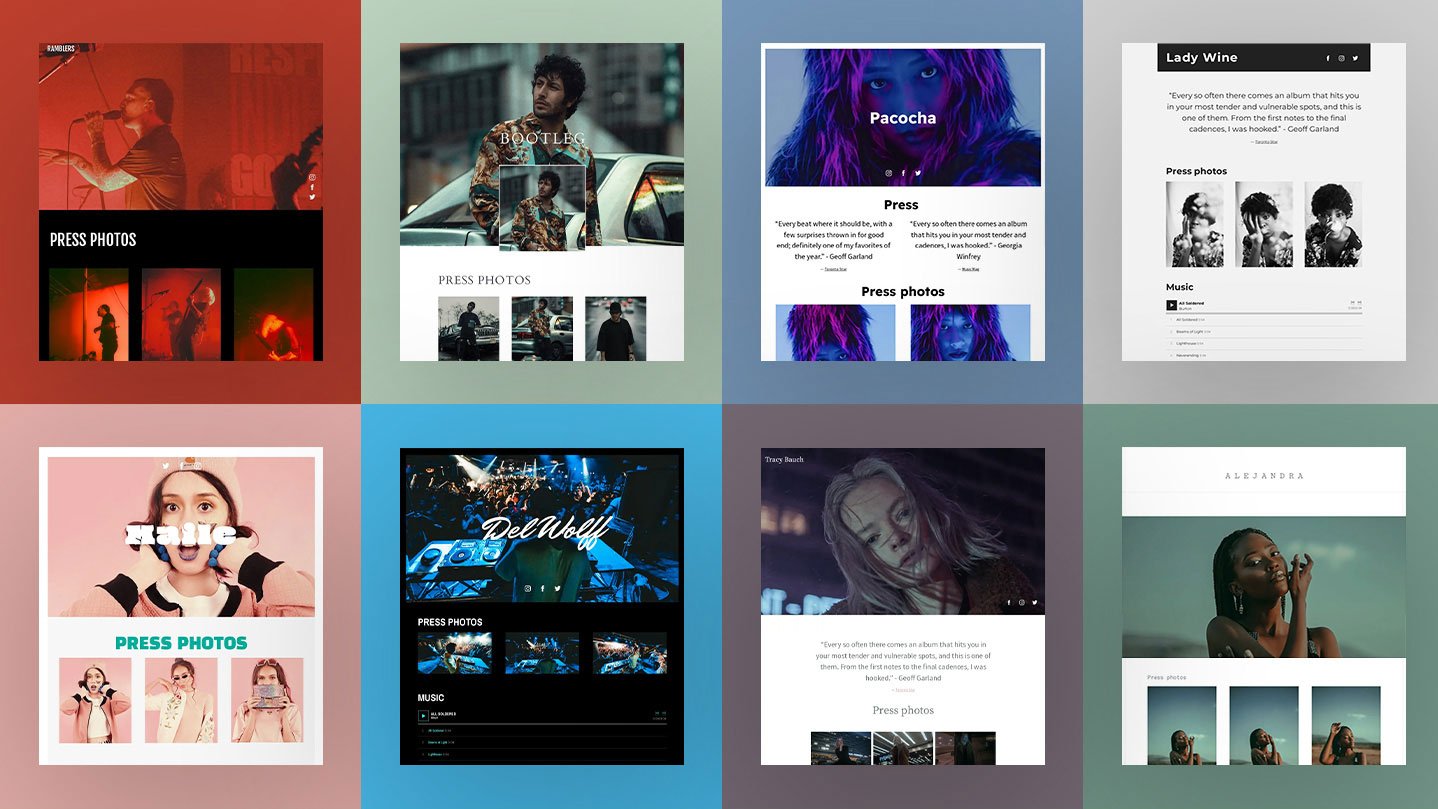
You’ve identified the schools, you’ve found the Social Chairs, and you’re ready to pitch. But when a Student Activities Board (SAB) member clicks the link in your signature, what do they see?
If your Electronic Press Kit (EPK) looks like it’s designed for a dark, smoky underground club, you might be hurting your chances. In the music business, “cool” and “edgy” sell records, but in the college market, “reliable” and “engaging” get you booked.
When you’re an artist making under $10k a year, you can’t afford a generic EPK. You need a specialized toolkit that answers the specific fears and needs of a campus talent buyer.
1. The “Vibe Check” Video: Connection Over Production
Most artists lead with their highest-budget music video. While that shows you’re a professional, it doesn’t tell a student programmer if you can handle a room full of distracted freshmen.
- The 60-Second Rule: Swap the cinematic video for a “Vibe Check” reel. This is a short, raw clip of you interacting with a crowd.
- What to show: Show yourself talking to the audience between songs, getting them to clap along, or laughing off a technical glitch.
- Why it works: A talent buyer’s biggest fear is an artist who stares at their shoes for 45 minutes. They want to see that you are a “pro” at human connection.
2. The “Clean Edit” Requirement: Play it Safe to Get Paid
College campuses are diverse environments, and many events are funded by “Student Activity Fees” that come with strict “all-ages” or “family-friendly” mandates.
- Explicit Content is a Red Flag: If your EPK only features songs with explicit lyrics, a faculty advisor might veto your booking immediately to avoid complaints.
- The “Clean Set” Guarantee: Explicitly state in your EPK that you have a “Radio-Friendly” or “Clean Set” available.
- The Advantage: Having a clean set doesn’t mean you’re “selling out”; it means you’re accessible. This opens the door for high-paying Orientation Weeks, Parent Weekends, and Alumni Galas where profanity is a deal-breaker.
3. Highlighting “Diversity & Inclusion” (D&I) Themes
Colleges are mission-driven institutions. They don’t just book music; they book experiences that align with their values. Many student boards have specific, untouchable budgets for cultural programming.
- Identify Your Niche: Does your music touch on mental health, LGBTQ+ identity, cultural heritage, or social justice?
- Target the Calendar: If your EPK highlights these themes, you aren’t just a “music act”—you are a perfect fit for:
- Black History Month (February)
- Women’s History Month (March)
- Pride Month (June/October)
- Mental Health Awareness Week
Pro-Tip: Create a small section in your EPK titled “Educational & Cultural Alignment” where you list the themes your music explores. This makes it incredibly easy for an SAB member to justify your fee to their faculty advisor.
Your EPK Checklist for Success
To make sure you’re ready to send that next pitch, ensure your EPK includes these four pillars:
| Element | What it should look like |
| Header Image | A high-res photo of you performing for people, not just a studio headshot. |
| Bio | 150 words maximum. Focus on your performance style and campus appeal. |
| Tech Rider | Keep it simple! A “Low Tech” rider makes you cheaper and easier to book. |
| Testimonials | Quotes from other student organizers or local venue owners. |
Ready to Build Your Kit?
Your EPK is your digital resume. By tweaking it to show that you are safe, reliable, and deeply engaging, you move from the “maybe” pile to the “booked” pile.